Welcome to DU!
The truly grassroots left-of-center political community where regular people, not algorithms, drive the discussions and set the standards.
Join the community:
Create a free account
Support DU (and get rid of ads!):
Become a Star Member
Latest Breaking News
Editorials & Other Articles
General Discussion
The DU Lounge
All Forums
Issue Forums
Culture Forums
Alliance Forums
Region Forums
Support Forums
Help & Search
The DU Lounge
Related: Culture Forums, Support ForumsReel Kin: Post a Pic of an Uncle from TV or a Flick
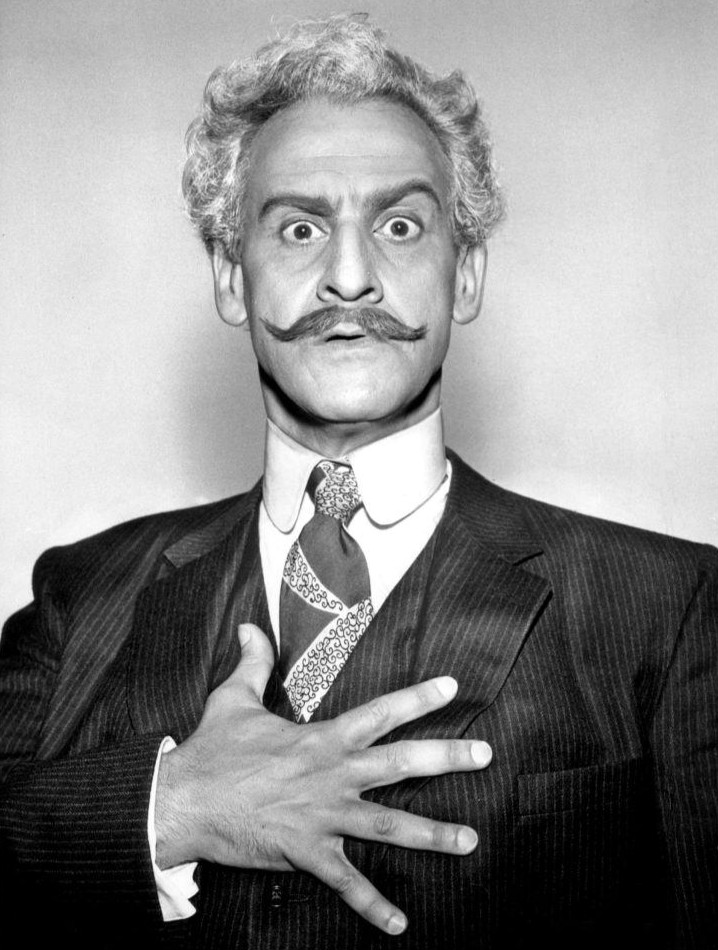
Uncle Tonoose “The Danny Thomas Show”.
13 replies
 = new reply since forum marked as read
Highlight:
NoneDon't highlight anything
5 newestHighlight 5 most recent replies
= new reply since forum marked as read
Highlight:
NoneDon't highlight anything
5 newestHighlight 5 most recent replies
= new reply since forum marked as read
Highlight:
NoneDon't highlight anything
5 newestHighlight 5 most recent replies
Reel Kin: Post a Pic of an Uncle from TV or a Flick (Original Post)
Floyd R. Turbo
8 hrs ago
OP

hlthe2b
(114,510 posts)1. Uncle Fester (Adam's Family TV show--the original, of course)


LogDog75
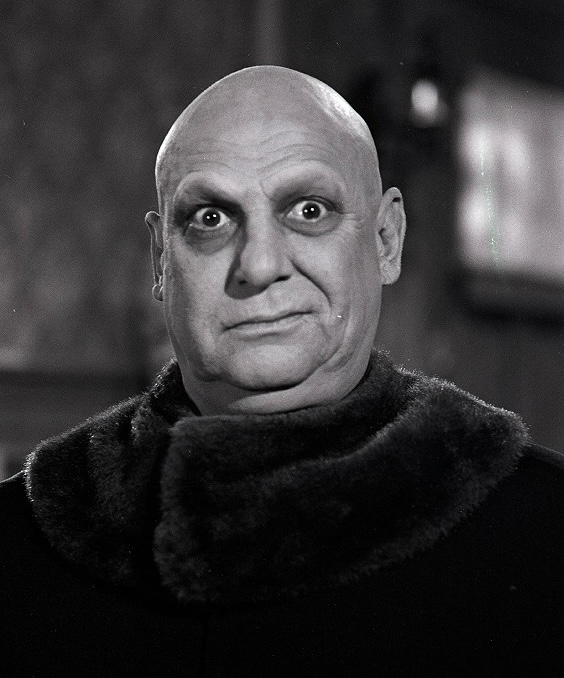
(1,360 posts)3. Uncle Fester from the Addams Family TV Show
 /revision/latest?cb=20230618222222
Floyd R. Turbo
(33,217 posts)4. 😊

chicoescuela
(3,167 posts)5. Uncle Martin from My Favorite Martian was a good one from the mid 60s
Floyd R. Turbo
(33,217 posts)6. 👽

Norrrm
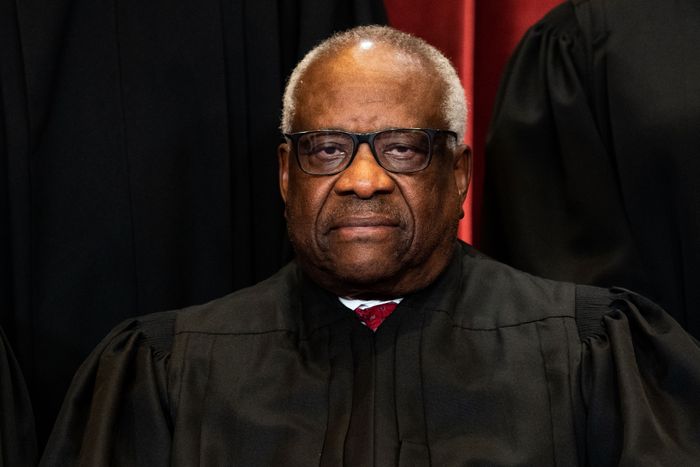
(5,493 posts)7. Uncle Clarence has been on tv a lot.

JoseBalow
(9,701 posts)10. I see what you did there!

mahatmakanejeeves
(70,561 posts)8. Uncle Remus

James Baskett (pictured in a screenshot from [Song of the South])was voted an Academy Honorary Award for his portrayal of Uncle Remus, the first African-American man to win an Oscar.
James Baskett
James Franklin Baskett (February 16, 1904 – July 9, 1948) was an American actor who portrayed Uncle Remus in the 1946 Disney feature film Song of the South. His performance included singing the song "Zip-a-Dee-Doo-Dah". In recognition of his portrayal of Remus, he was given an Honorary Academy Award in 1948.
Career

Baskett in Harlem Is Heaven (1932), in which Variety described his portrayal of "Money" Johnson as "very impressive"
Baskett studied pharmacology as a young man but gave it up to pursue an acting career. He first moved to New York City, New York, where he joined up with Bill 'Mr. Bojangles' Robinson. Using the name Jimmie Baskette, he appeared with Louis Armstrong on Broadway in the 1929 black musical revue Hot Chocolates and in several all-black New York films, including Harlem is Heaven (1932).
He later moved to Los Angeles, California, and had a supporting role in the film Straight to Heaven (1939), starring Nina Mae McKinney. In 1941 he voiced Fats Crow in the animated Disney film Dumbo, and he also had bit parts in several B movies, including that of Lazarus in Revenge of the Zombies (1943), a porter in The Heavenly Body (1944), and native tribal leader Orbon in Jungle Queen (1945). From 1944 until 1948, he was part of the cast of the Amos 'n' Andy Show live radio program as lawyer Gabby Gibson.
In 1945, he auditioned for a bit part voicing one of the animals in the new Disney feature film Song of the South (1946), based on the Uncle Remus stories by Joel Chandler Harris. Walt Disney was impressed with Baskett's talent and hired him on the spot for the lead role of Uncle Remus. Baskett was also given the voice role of Br'er Fox, one of the film's animated antagonists, and also filled in as the main animated protagonist, Br'er Rabbit, in one sequence. This was one of the first Hollywood portrayals of a black actor as a non-comic character in a leading role in a film meant for general audiences.
Baskett was prohibited from attending the film's premiere in Atlanta, Georgia, because Atlanta was racially segregated by law.
Although Baskett was occasionally criticized for accepting such a "demeaning" role (most of his acting credits were that of African-American stereotypes), his acting was almost universally praised, and columnist Hedda Hopper, along with Walt Disney, was one of the many journalists and personalities who declared that he should receive an Academy Award for his work. Baskett defended the film and his character in it, saying, "I believe that certain groups are doing my race more harm in seeking to create dissension, than can ever possibly come out of the Song of the South."
Academy Honorary Award
On March 20, 1948, Baskett received an Academy Honorary Award for his performance as Uncle Remus.
He was the first African-American male actor to earn an Academy Award. Additionally, Baskett was the last adult actor to receive an Honorary Oscar for a single performance.
{snip}
James Franklin Baskett (February 16, 1904 – July 9, 1948) was an American actor who portrayed Uncle Remus in the 1946 Disney feature film Song of the South. His performance included singing the song "Zip-a-Dee-Doo-Dah". In recognition of his portrayal of Remus, he was given an Honorary Academy Award in 1948.
Career
Baskett in Harlem Is Heaven (1932), in which Variety described his portrayal of "Money" Johnson as "very impressive"
Baskett studied pharmacology as a young man but gave it up to pursue an acting career. He first moved to New York City, New York, where he joined up with Bill 'Mr. Bojangles' Robinson. Using the name Jimmie Baskette, he appeared with Louis Armstrong on Broadway in the 1929 black musical revue Hot Chocolates and in several all-black New York films, including Harlem is Heaven (1932).
He later moved to Los Angeles, California, and had a supporting role in the film Straight to Heaven (1939), starring Nina Mae McKinney. In 1941 he voiced Fats Crow in the animated Disney film Dumbo, and he also had bit parts in several B movies, including that of Lazarus in Revenge of the Zombies (1943), a porter in The Heavenly Body (1944), and native tribal leader Orbon in Jungle Queen (1945). From 1944 until 1948, he was part of the cast of the Amos 'n' Andy Show live radio program as lawyer Gabby Gibson.
In 1945, he auditioned for a bit part voicing one of the animals in the new Disney feature film Song of the South (1946), based on the Uncle Remus stories by Joel Chandler Harris. Walt Disney was impressed with Baskett's talent and hired him on the spot for the lead role of Uncle Remus. Baskett was also given the voice role of Br'er Fox, one of the film's animated antagonists, and also filled in as the main animated protagonist, Br'er Rabbit, in one sequence. This was one of the first Hollywood portrayals of a black actor as a non-comic character in a leading role in a film meant for general audiences.
Baskett was prohibited from attending the film's premiere in Atlanta, Georgia, because Atlanta was racially segregated by law.
Although Baskett was occasionally criticized for accepting such a "demeaning" role (most of his acting credits were that of African-American stereotypes), his acting was almost universally praised, and columnist Hedda Hopper, along with Walt Disney, was one of the many journalists and personalities who declared that he should receive an Academy Award for his work. Baskett defended the film and his character in it, saying, "I believe that certain groups are doing my race more harm in seeking to create dissension, than can ever possibly come out of the Song of the South."
Academy Honorary Award
On March 20, 1948, Baskett received an Academy Honorary Award for his performance as Uncle Remus.
He was the first African-American male actor to earn an Academy Award. Additionally, Baskett was the last adult actor to receive an Honorary Oscar for a single performance.
{snip}
JoseBalow
(9,701 posts)13. Uncle Remus
JoseBalow
(9,701 posts)9. Uncle Leo
Hello! 


Niagara
(12,063 posts)11. Uncle Buck

irisblue
(37,790 posts)12. Uncle Phil. I think about my brother when this passes by